Understanding Panchkarma: What It Is, What It Isn’t
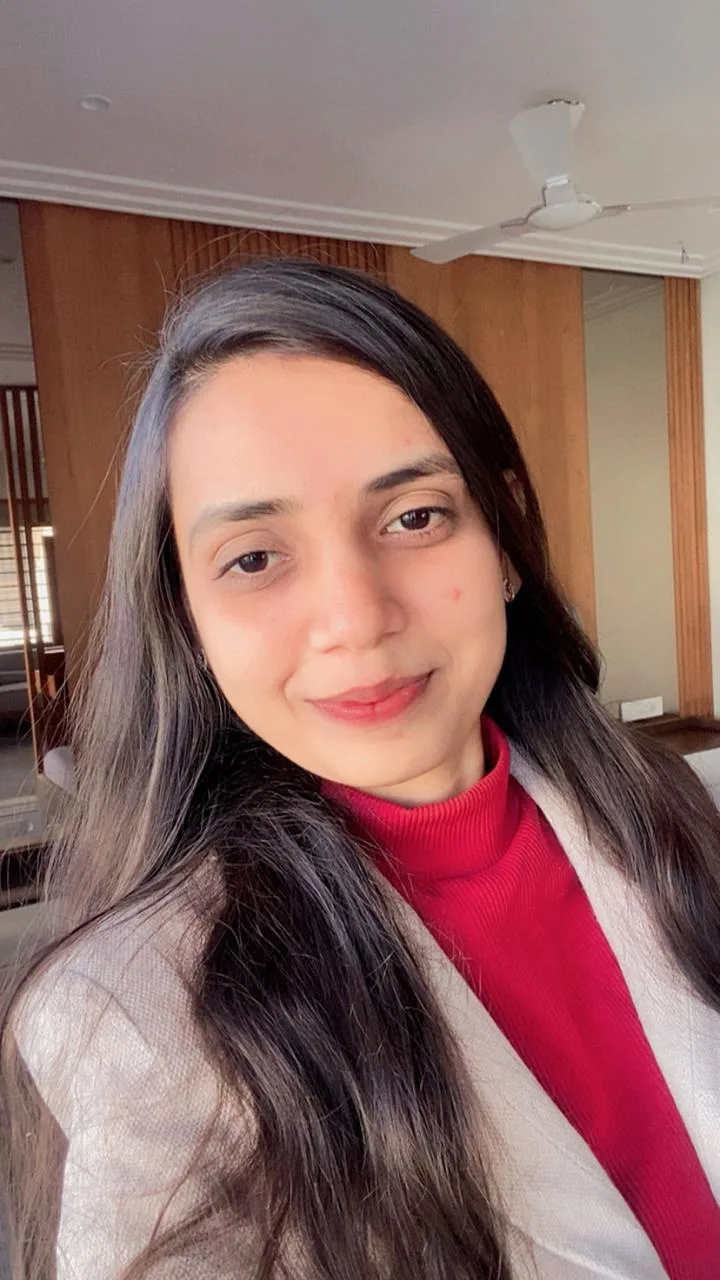
Dr. Krupali
Ayurvedic Physician
Panchkarma, literally “five actions”, is the most demanding and most misunderstood pillar of Ayurveda. It is not a wellness retreat. It is not a juice cleanse. And done correctly, it is not something you decide to start tomorrow.
What it actually is
Panchkarma is a clinically structured five-action programme designed to remove deep-seated imbalances from the body: accumulated doshas that have settled into the tissues over years.
It always proceeds through three phases: Purvakarma (preparation), Pradhanakarma (the active actions themselves), and Paschatkarma (rejuvenation). Skipping or shortening any phase changes the entire result.
The five actions
Vamana: therapeutic emesis, used primarily for Kapha-dominant conditions.
Virechana: purgation, the most commonly indicated of the five, used for Pitta-dominant imbalances.
Basti: medicated enema therapy, used for Vata disorders and considered the most powerful single therapy in Ayurveda.
Nasya: nasal therapy, used for conditions above the collarbone.
Raktamokshana: controlled blood-letting, used in specific conditions like chronic skin disorders.
Who it is not for
Pregnant women, the very elderly, anyone with acute infection or fever, and patients with certain cardiac or surgical conditions should not undergo Panchkarma. A consultation determines suitability.
It is also not for someone looking for a fast result. Panchkarma typically takes 14 to 28 days in-clinic, with a three-month aftercare phase. Anything shorter is a different treatment, marketed as Panchkarma.
What good Panchkarma feels like
For the first few days, the body feels lighter and clearer. By the time the active actions begin, you understand what your body has been carrying. By the end of rejuvenation, you do not just feel “well”: you feel reset.
That is the real promise of Panchkarma, and the reason it cannot be rushed.
Written by
Dr. Krupali
Ayurvedic Physician
Dr. Krupali is a classically-trained Ayurvedic physician with a focus on root-cause healing for chronic and lifestyle disorders. She has guided hundreds of patients through personalised Panchkarma protocols and continues to practise the way Ayurveda was meant to be, patient by patient, with care and precision.